
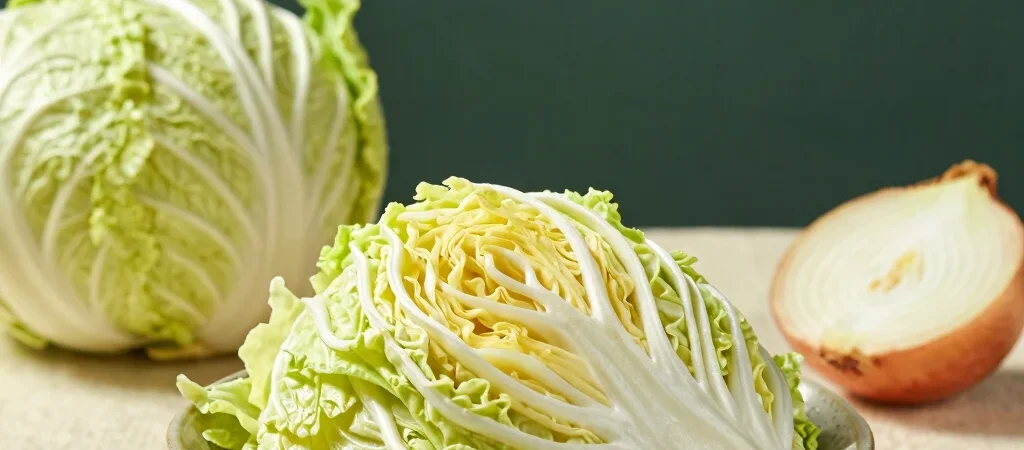
Open a jar or package of sauerkraut and the first impression is unmistakable: tangy, savory cabbage with a texture quite unlike fresh leaves. That transformation comes from fermentation, a process that gives the ingredient a character of its own before it meets the rest of an Alsatian meal.
Taste before you cook
Sauerkraut can vary in acidity, saltiness, and firmness, so taste a small amount before deciding how to use it. If the flavor feels especially sharp or salty for your dish, a brief rinse can soften it; if you enjoy that assertive tang, keep more of the brine.
Check the ingredient information if you are looking for a particular style, such as plain fermented cabbage or a preparation with added seasonings. Labels help clarify what is in the package; they do not tell you everything about the grower or the method, so ask a seller when that detail matters to you.
Give it time in the pot
For a cooked dish, warm the cabbage gently with a little liquid and taste as it softens. A slower cook can mellow the sharp edges, while a shorter one keeps more of its fresh acidity and bite.
Think about balance when adding other ingredients. Onion can bring sweetness, and potatoes or bread offer a mild contrast; adjust salt only after tasting, since the cabbage may already contribute plenty.
Read the tradition carefully
Choucroute is strongly associated with Alsatian cooking, but one plate cannot stand for every household or every version of the dish. Recipes shift with family habits, available ingredients, and personal preference, so it is worth distinguishing a local culinary tradition from a claim that there is only one correct recipe.